News and articles
Back to News & ArticlesHelp your relatives be scam-wise

It all starts with a conversation.
A good way in might be by discussing a scam that you, yourself, almost fell for. This highlights that everyone is susceptible, and they should not feel embarrassed to ask for help.
Start with the classics
We’ve been online our whole lives, but previous generations spent most of theirs living in a vastly different manner. So, while we can often spot a scam a mile away, it may not be as simple for previous generations. But by educating our elder family members on some of the "don'ts" we can help them avoid falling victim to the most common scams.
These are things like:
Don’t give out personal info or passwords unless you’re absolutely certain who you’re talking to.
If something seems too good to be true, it probably is.
Don’t click on links in emails or texts from unknown sources.
Don’t transfer money over the phone or through an email link.
Don’t feel pressured to act.
If you’re not sure who you’re speaking to, hang up. Call them back on a number you already had on file.
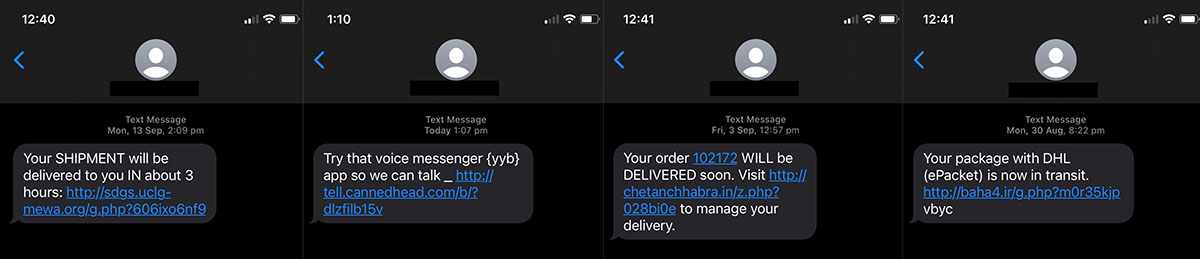
You can also help educate your relatives by showing them examples of phishing emails or text messages, romance scams, fake anti-virus software pop ups, and explaining the how distressed family member phone calls might sound.
If you show them the red flags, they’ll be better prepared when they arise. Here are some text message scam examples: